Finding roaches in your home is unsettling, but you don’t need to panic, or call an exterminator immediately. The right roach killer combined with smart application and prevention can handle a mild to moderate infestation on your own. Whether you’re dealing with a single scout or a growing population, understanding the different types of treatments available and how to use them correctly makes all the difference. This guide walks you through the most effective home roach killers, how to apply them properly, and when it’s time to bring in a professional.
Table of Contents
ToggleKey Takeaways
- Identify your roach species and infestation severity before choosing a home roach killer, as German roaches require more aggressive treatment due to rapid reproduction while American roaches are less persistent.
- Combine spray treatments for immediate knockdown with gel baits for long-term control, as gel baits eliminate hidden roaches by spreading poison through the colony while sprays only handle visible insects.
- Eliminate moisture, food sources, and hiding spots through decluttering, fixing leaks, and sealing cracks to prevent reinfestation and make your home roach killer treatments more effective.
- Apply gel baits in small pea-sized dots every 1–2 feet along baseboards and under appliances, reapplying every 2–3 weeks, while ensuring proper ventilation and protective equipment when using spray treatments.
- Call a licensed pest control professional if the infestation spreads across multiple rooms, DIY treatments fail after 2–3 weeks, or you have pets and young children, as professionals access commercial-grade products homeowners cannot.
Understanding Your Roach Problem
Before reaching for any treatment, identify which roach species you’re dealing with. The most common household invaders in North America are German roaches (small, tan, fast-breeding) and American roaches (larger, darker, slower to reproduce). German roaches are harder to eliminate because they breed rapidly, a single female can produce 30–40 offspring in her lifetime. American roaches, while intimidating due to size, tend to live outdoors and only occasionally venture inside.
Assess the severity of your infestation. Seeing one roach occasionally might mean a stray: seeing multiple roaches, especially during the day, signals a breeding population. Check dark, damp areas: under sinks, behind appliances, inside cabinet bases, and along baseboards. Roaches leave behind brown droppings that look like ground coffee or dark specks.
The scope of your problem determines your approach. A small infestation can often be handled with store-bought treatments, while a widespread or persistent problem may require professional help. Moisture and clutter attract roaches, so eliminating these conditions is as important as the kill method itself.
Types of Roach Killers Available
Spray Treatments
Insecticidal sprays come in aerosol cans or pump bottles and work on contact, killing roaches within minutes. Common active ingredients include pyrethrins (derived from chrysanthemum flowers) or synthetic pyrethroids. Sprays are effective for immediate knockdown but don’t address the root cause, roaches hiding in walls or under floors escape the spray.
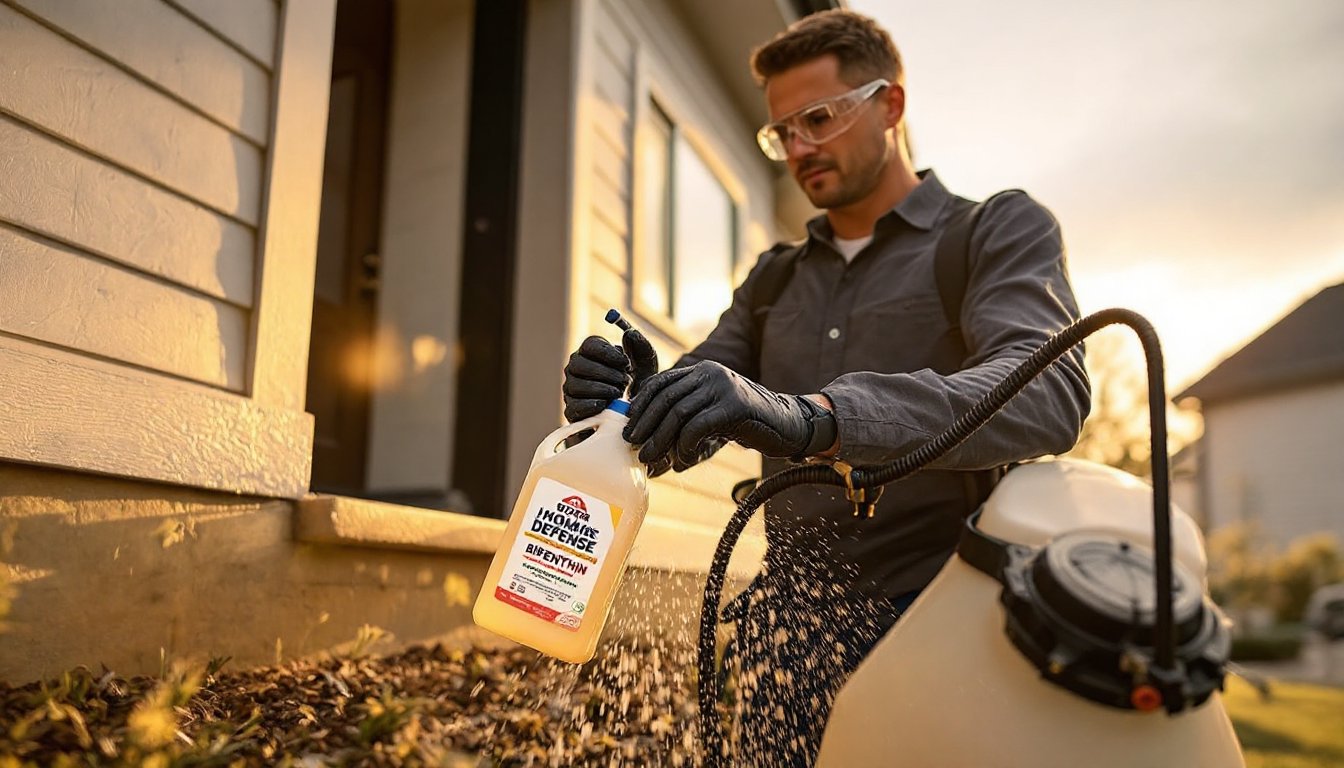
Use sprays to target visible roaches or as a follow-up after applying longer-lasting treatments. Always read the label and apply in well-ventilated areas. Wear nitrile gloves, safety goggles, and a dust mask to avoid inhaling fumes. Spray along baseboards, corners, and directly on roaches if you spot them. The advantage is immediate results: the drawback is that spray doesn’t prevent new roaches from establishing colonies.
Pyrethrins are generally low-toxicity to humans but deadly to insects. Pyrethroids (synthetic versions) are slightly more persistent on surfaces but still break down quickly when exposed to sunlight and air.
Gel Baits and Traps
Gel baits are small, contained doses of insecticide mixed with food attractants. Roaches eat the bait, ingest the poison, and carry residue back to their harborage, where they infect other colony members. This domino effect makes baits highly effective against breeding populations. Products like Advion or Combat Max come in small stations or syringes: apply tiny dots in corners, under appliances, and along baseboards where roaches travel.
Baits work slower than sprays, expect 2–7 days to see noticeable reduction, but they’re more thorough. They target hidden roaches that sprays miss. Gel baits are also safer around pets and children because they’re contained and don’t create airborne residue.
Roach traps (sticky monitors or bait traps) don’t kill: they capture roaches to confirm activity or monitor effectiveness of other treatments. Place traps in suspected roach highways, under cabinets, near drain pipes, and along walls. Seeing many roaches in traps after a week signals that baits or sprays are working.
How to Apply Roach Killers Effectively
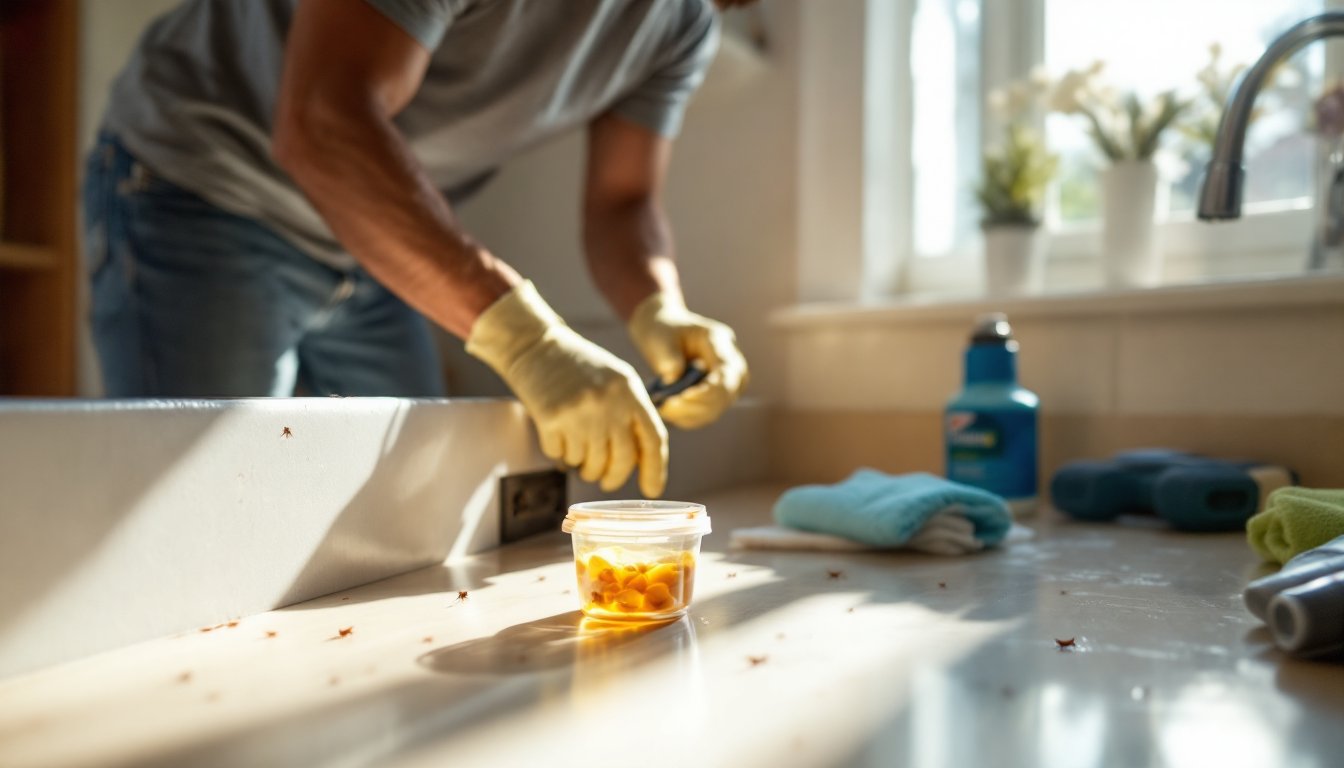
Preparation is everything. Start by decluttering the infested area, roaches hide in piles of paper, cardboard, and debris. Remove these hiding spots so treatments can work without obstacles. Clean thoroughly, especially under and behind appliances, inside cabinets, and along baseboards. Use a vacuum with a HEPA filter to remove droppings and shed skin, then dispose of the vacuum bag immediately in a sealed container outside.
Fix any plumbing leaks. Roaches need water: eliminating moisture sources (slow kitchen drips, condensation under pipes) forces them to seek food and water elsewhere. Seal cracks and crevices with caulk to eliminate entry points and harborage. This is foundational work, you can’t spray or bait your way past poor conditions.
For spray applications: Work methodically, applying product to baseboards, cabinet corners, and under appliances in a thin, even layer. Don’t drench surfaces: a light coat is sufficient. Spray early morning or late evening when roaches are most active. Leave the treated area undisturbed for 2–3 hours to allow the product to work. Ensure proper ventilation and wear protective equipment.
For gel bait application: Use a caulking gun (if your product comes in a syringe) or apply dots directly from the tube. Place small pea-sized dots (not large globs) in tight corners where roaches hide. Apply baits every 1–2 feet along baseboards and under/behind appliances. If you see bait consumed within a day, add more nearby. Reapply every 2–3 weeks or as directed on the label. According to pest control professionals, gel bait products offer superior control over crawling insects, especially for German roaches.
Combine treatments: Use sprays for immediate kills and baits for long-term control. Most effective DIY programs use both methods together. Check results after one week: if roaches are still visible, increase bait quantity or consider a different product.
Prevention Tips to Keep Roaches Away
Prevention is far easier than eradication. Roaches thrive on three things: food, water, and harborage. Eliminate these and they’ll starve.
Food sources: Never leave dirty dishes in the sink overnight. Store dry goods (cereal, flour, pet food) in airtight containers, not cardboard boxes. Wipe up spills immediately and take out garbage daily. Don’t leave pet food sitting out: feed pets at set times and remove uneaten food within an hour.
Water sources: Fix leaky faucets, pipes, and drains. Wipe down sinks before bed so no standing water remains. Roaches can survive weeks without food but only days without water. Reduce humidity by running exhaust fans in bathrooms and kitchens and fixing condensation issues around pipes.
Harborage: Seal gaps around baseboards, pipes, and vents using caulk or weatherstripping. Store items in sealed plastic containers, not cardboard. Don’t stack newspapers, magazines, or boxes in dark corners. Declutter regularly. According to home maintenance guides, routine inspection and sealing of entry points prevents most pest problems before they start.
Inspect incoming items: Check grocery bags, used furniture, and secondhand appliances before bringing them into your home. Roaches hitch rides on moving boxes and grocery delivery. Be especially careful with electronics and used furniture from sources with unknown histories.
Regular vacuuming and mopping remove food debris and roach feces. Monthly inspection of problem areas (under sinks, behind appliances) catches new activity early.
When to Call a Professional
DIY treatments work well for small infestations caught early, but some situations require professional intervention. Call a licensed pest control operator if:
The infestation is widespread. If roaches are visible in multiple rooms or you’ve noticed activity for several weeks even though treatment, the population likely extends into walls, cabinets, or floor voids that DIY products can’t reach effectively. Professionals use commercial-grade products, heat treatments, or boric acid dust in wall voids, options unavailable to homeowners.
DIY treatments aren’t working after 2–3 weeks. Some roach populations develop resistance to certain active ingredients. A professional can identify the species and recommend alternative treatments. They also have access to stronger formulations.
You have pets or young children and feel unsafe applying treatments. While labeled products are safe when used as directed, a professional handles the risk and guarantees results. Many offer pet-safe or child-safe programs.
The infestation is in a rental or commercial space. Most leases require tenants to report pest problems to landlords: the landlord is typically responsible for hiring professionals. Document the problem with photos and notify your landlord in writing. In commercial spaces, treatment often requires a licensed operator due to health codes and liability.
Professional exterminators typically charge $150–$500 for an initial inspection and treatment, depending on infestation size and your region. Follow-up visits cost less. Many offer warranties: if roaches return within 30–60 days, they’ll retreat for free. Homeowner guides emphasize that in the long run.