Green remodeling isn’t just a trend, it’s a practical way to cut utility bills, improve indoor air quality, and build a home that lasts. Whether you’re upgrading windows, installing solar panels, or swapping out old fixtures, sustainable choices deliver real returns through lower energy costs and reduced water waste. This guide walks you through the most impactful green remodeling upgrades you can tackle, what to expect from each project, and how to budget smartly without compromising quality or performance.
Table of Contents
ToggleKey Takeaways
- Green home remodeling can reduce heating and cooling costs by 15–30% annually, with federal tax credits covering up to 30% on HVAC, insulation, and window upgrades through 2026.
- The building envelope—windows, insulation, and HVAC systems—should be your first priority, as it’s where most residential heat loss occurs and delivers the highest energy savings.
- Water-saving fixtures like high-efficiency toilets and WaterSense showerheads can save 13,000+ gallons annually and typically pay for themselves in 2–4 years through reduced water bills.
- Choose sustainable materials with certifications (FSC, GreenGuard, Cradle to Cradle) such as low-VOC paints, recycled-content tiles, and sustainably harvested wood to improve indoor air quality and durability.
- Solar photovoltaic systems cost $12,000–$18,000 after the 30% federal tax credit and generate nearly free electricity after 7–10 years of payback, though roof condition and sunlight exposure are critical factors.
- Start your green home remodeling project with a free energy audit from your utility company to identify the biggest energy leaks, then prioritize upgrades by payback period and hire licensed professionals for specialized work like HVAC and electrical.
Why Green Remodeling Matters for Your Home and Wallet
Green remodeling addresses two pain points every homeowner feels: rising utility bills and aging systems that underperform. A poorly insulated home, single-pane windows, or a 15-year-old furnace hemorrhages money month after month. Green upgrades, starting with the shell and working inward, interrupt that cycle by reducing the energy your home needs to stay comfortable year-round.
The financial payoff is straightforward. The U.S. Department of Energy reports that strategic energy-efficiency improvements can reduce heating and cooling costs by 15–30% annually. That doesn’t account for tax credits (federal rebates up to 30% on some HVAC, insulation, and window upgrades as of 2026) or long-term property value gains. Homes with efficient systems and modern construction details command higher sale prices and sell faster.
Beyond dollars: green remodeling improves comfort (fewer drafts, consistent temperatures), air quality (low-VOC paints and finishes minimize off-gassing), and durability (quality materials and proper installation reduce future repairs). You’re not just saving money, you’re building a healthier space.
Energy-Efficient Windows, Insulation, and HVAC Upgrades
The building envelope, walls, roof, windows, and doors, is where most residential heat loss occurs. Upgrading it should be your first priority.
Windows are a visible, high-impact upgrade. Single-pane windows lose energy at three times the rate of modern double-pane or triple-pane models. Look for windows rated ENERGY STAR with a U-factor below 0.30 (lower is better: it measures insulation value). Low-emissivity (Low-E) coatings reflect infrared radiation back into your home in winter and away in summer. Plan on $400–$800 per window installed, depending on size and frame material. Wood frames offer aesthetic appeal but require maintenance: vinyl and fiberglass are durable and cost-effective.
Insulation is unglamorous but essential. If your attic is under R-30 or your basement walls are uninsulated, you’re leaking conditioned air continuously. Blown-in cellulose (made from recycled paper) and fiberglass batts are budget-friendly. Spray foam (closed-cell) offers superior air sealing but costs more and requires a licensed installer. Check your local building code, many jurisdictions now mandate R-38 to R-49 attic insulation, depending on climate zone.
HVAC systems over 15 years old are inefficient: a modern SEER2 16+ air conditioner or heat pump cuts cooling energy by 30–40% compared to older units. Heat pumps (which both heat and cool) are becoming standard in many climates because they outperform traditional furnaces. Installation is specialized work, hire a licensed HVAC contractor and verify their credentials through your state licensing board. Expect $4,000–$8,000 for a mid-size home system, but federal rebates can offset 30% of costs on qualifying models.
Water-Saving Fixtures and Smart Plumbing Solutions
Water waste is often invisible until you see the bill. Conventional toilets use 3.5–5 gallons per flush: high-efficiency models use 1.3 gallons or less. Older showerheads spray 5 gallons per minute: WaterSense-certified heads deliver the same pressure at 2.0 gallons per minute. On a family of four, upgrading both adds up to 13,000+ gallons saved annually, roughly 30% of residential indoor water use.
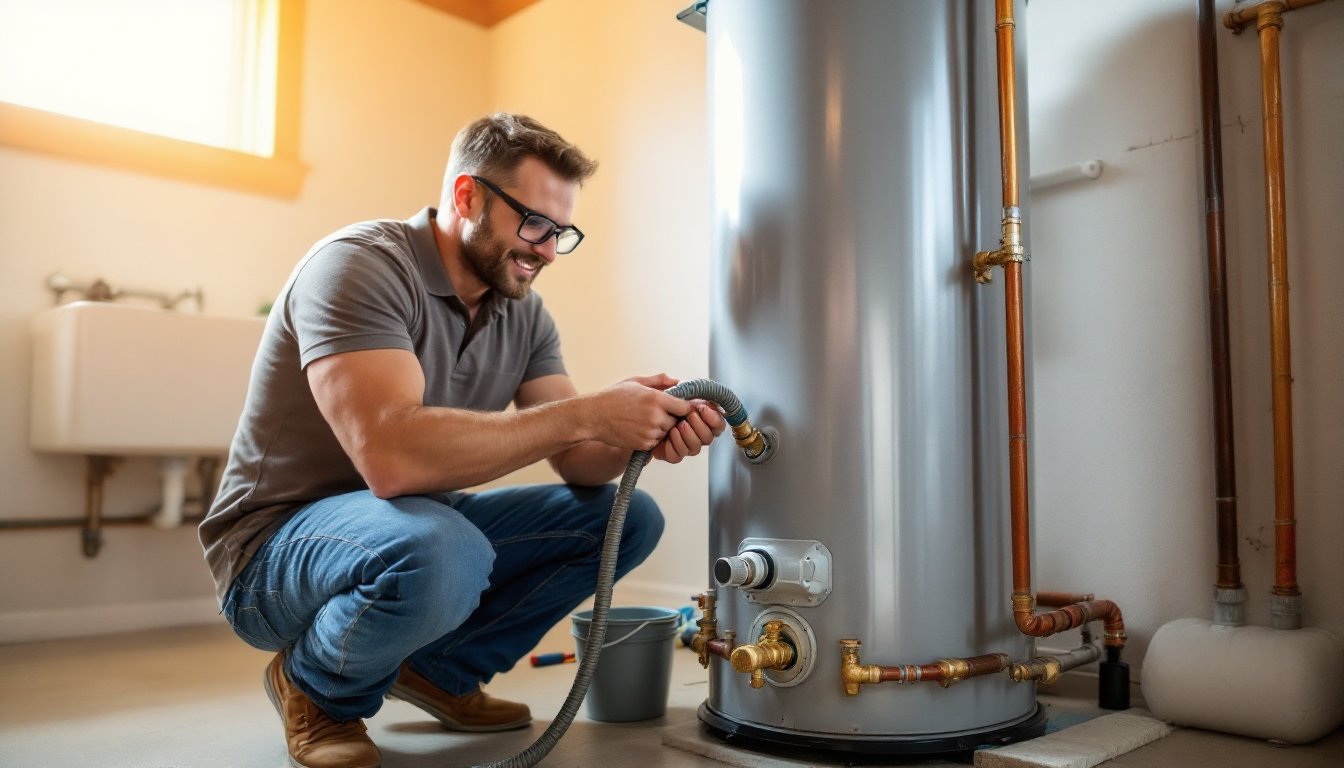
Replace old toilets and showerheads yourself (both are straightforward 30-minute swaps requiring only a wrench and screwdriver). High-end WaterSense fixtures run $150–$300 per item: budget models cost $40–$80. The return comes in reduced water bills and sewer charges, typically paying for themselves in 2–4 years.
Smart features like aerators (devices that mix air with water flow) on faucets maintain water pressure while cutting flow by 30%. Leak detection systems monitor water use and alert you to hidden drips, a single running toilet wastes 200 gallons daily. These systems integrate with smartphones and cost $100–$500 depending on features. Hot water recirculation pumps (which pre-warm pipes so you don’t waste cold water waiting for hot) save energy and water on large homes: they require electrical work, so hire a licensed electrician.
Sustainable Materials and Eco-Friendly Finishes
Reclaimed Wood, Recycled Tiles, and Low-VOC Paints
Material choices shape both environmental impact and indoor air quality. Virgin lumber sourced from sustainably managed forests (certified by the Forest Stewardship Council, FSC) costs 10–20% more than conventional lumber but supports responsible forestry. Reclaimed wood, salvaged from old barns, factories, or dismantled buildings, carries character and history, though availability is limited and prices can exceed new lumber by 50–100%. Use reclaimed wood for accent walls, shelving, or trim rather than structural framing to balance aesthetics with budget.
Flooring options include rapidly renewable bamboo (grows in 3–5 years vs. 20+ for trees), cork (harvested from bark without harming the tree), and recycled-content tiles made from post-consumer glass or porcelain. Luxury vinyl plank (LVP) has improved, modern versions are durable and water-resistant, though they’re petroleum-based: if you choose LVP, prioritize brands using recycled content. Real hardwood and stone remain timeless, but factor in finishing toxins and transportation emissions.
Low-VOC (volatile organic compound) paints minimize off-gassing of formaldehyde and other chemicals that linger indoors. Standard paints release VOCs for months after application: zero-VOC paints are now mainstream and cost only 5–15% more. Primer matters too, use low-VOC primer under paint, especially in bedrooms and nurseries. Sustainable adhesives and sealants (also low-VOC) are essential when installing flooring or tile, don’t skip this detail.
Recycled-content tiles, composite lumber alternatives, and bio-based insulation materials fill niche roles. Some are gimmicky, others genuinely durable: research product certifications (GreenGuard, Cradle to Cradle) rather than greenwashing labels.
Renewable Energy Options: Solar and Beyond
Solar photovoltaic (PV) systems are the most visible green upgrade, and increasingly affordable. A typical 5-kW residential solar array costs $12,000–$18,000 after the federal tax credit (which covers 30% through 2032). If your roof gets 4–6 hours of direct sunlight daily and you own your home (solar works best with ownership, not renting), payback typically occurs in 7–10 years, after which electricity is nearly free for 25+ years.
Solar isn’t one-size-fits-all. Roof condition matters: a roof near end-of-life should be replaced before solar installation. Shading from trees or neighboring buildings reduces output significantly. Work with a licensed solar installer (check credentials and reviews through the Better Business Bureau or local improvement guides) to assess your site and model your savings realistically. Some areas have utility rebates or performance incentives that improve returns.
Solar water heating is less glamorous but simpler and cheaper ($2,000–$4,000 installed). A flat-plate or evacuated-tube collector on the roof preheats water before it reaches your tank, reducing gas or electric heating by 30–50% for hot water alone. This works even in cloudy climates, it’s about intercepting free solar energy, not generating electricity.
Geothermal heat pumps (which extract stable ground temperature for heating and cooling) deliver 3–4x the efficiency of air-source heat pumps but require excavation, making them suitable only for new construction or major remodels on properties with adequate land. Cost and complexity often exclude them from smaller projects, but they’re worth exploring if you’re already undertaking deep renovation work.
Getting Started: Planning and Budgeting Your Green Remodel
Before buying a single product, step back and prioritize. Start with an energy audit: many utilities offer free or low-cost assessments identifying your home’s biggest energy leaks. A thermal imaging scan reveals insulation gaps and air leaks that aren’t visible. Armed with that data, rank upgrades by payback period and your timeline.
Budget realistically. Green upgrades cost more upfront (15–30% premium depending on material) but deliver returns through utility savings, tax credits, and property value. Use cost-tracking resources and regional contractor quotes, labor rates vary wildly by region. A window replacement costs differently in rural Vermont versus Portland, Oregon. Research local utility rebates (many offer $500–$2,000 per major system upgrade) and state/federal tax credits before finalizing your budget.
Permits and inspections vary by jurisdiction and project scope. Windows, paint, and fixtures usually don’t require permits. Insulation, HVAC, electrical, plumbing, and structural work typically do. Pulling permits isn’t bureaucratic red tape, it ensures work meets code, protects you legally, and improves safety. Contact your local building department before starting.
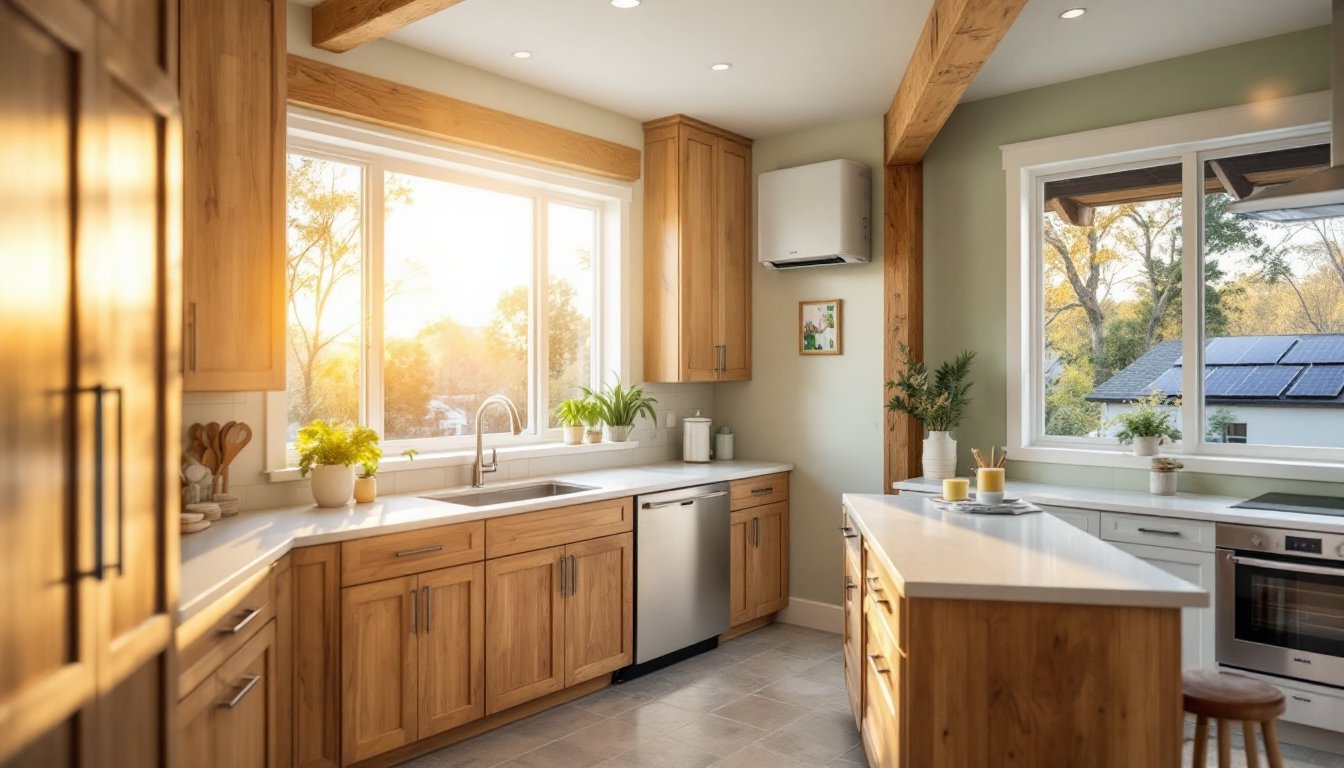
Hire licensed professionals for specialized work (HVAC, electrical, plumbing, structural). For cosmetic projects (painting, basic carpentry, fixture swaps), tackle them yourself if you’re comfortable: save contractor dollars for structural and mechanical work. Getting started is simpler than you think: prioritize based on impact, plan your budget, schedule inspections, and phase work into seasons. Kitchen renovations using sustainable materials show what’s possible at every budget level.