Finding a hornet or wasp nest near your home is never a welcome discovery. Whether it’s hanging under your eaves, tucked into a fence corner, or building inside a gap in your siding, these stinging insects pose a real threat to your family and pets, especially during summer months when activity peaks. Ortho Home Defense Hornet & Wasp Killer is one of the most accessible solutions for homeowners looking to handle these nests without calling a professional exterminator. It’s formulated to kill on contact and works from a distance, making it a practical choice for DIYers who want to reclaim their outdoor spaces. But before you grab a can, you need to understand how it works, when it’s appropriate to use it, and how to apply it safely.
Table of Contents
ToggleKey Takeaways
- Ortho Home Defense Hornet & Wasp Killer kills wasps and hornets on contact from up to 20 feet away using a fast-acting pyrethroid formula, making it a convenient and affordable DIY solution for homeowners at $5 to $12 per can.
- Apply the spray early morning (before 6 a.m.) or late evening (after dusk) when insects are least active, standing 15 feet away and spraying in short bursts to saturate the nest entrance thoroughly.
- Always wear protective gear including long sleeves, pants, closed-toe shoes, and gloves, and keep children and pets away for at least 24 hours after treatment to ensure safety.
- Target visible, accessible nests on home exteriors like eaves and fence posts; avoid using this product on inaccessible nests inside walls or very large established colonies, which require professional pest control service.
- Wait at least 24 hours before approaching the nest to confirm all activity has stopped, and reapply 2–3 days later if needed for complete elimination of eggs and larvae.
What Is Ortho Home Defense Hornet & Wasp Killer?
Ortho Home Defense Hornet & Wasp Killer is an aerosol-based pesticide designed to eliminate wasps, hornets, and yellow jackets on contact. The product comes in a pressurized can, typically with a 16 oz size being the standard residential offering. The active ingredient is usually a pyrethroid (synthetic pyrethrin derivative), which is a fast-acting neurotoxin that paralyzes and kills insects on impact.
What makes this product popular among homeowners is its extended spray range, up to 20 feet in many formulations, allowing you to treat nests from a safe distance. You don’t need to be right next to the nest, which is crucial when dealing with aggressive insects. The spray dries quickly and doesn’t stain most surfaces, which is why it’s suitable for use around painted siding, stucco, and vinyl.
The product is available at most home improvement stores and online retailers, making it convenient and relatively affordable compared to hiring a pest control service. A single can typically costs between $5 and $12, depending on the size and local availability. It’s registered with the EPA and labeled for outdoor home use, meaning it’s gone through safety testing for residential applications.
How Does It Work and What Makes It Effective?
The effectiveness of Ortho Home Defense Hornet & Wasp Killer relies on fast paralysis and death of the target insects. The pyrethroid active ingredient attacks the insect’s nervous system, disrupting nerve impulses and causing paralysis within seconds. Once sprayed, most wasps and hornets drop within 15 to 30 seconds, and the product continues to work on eggs and larvae still inside the nest over the next several hours.
Several factors contribute to its reliability. First, the pressurized spray delivery ensures thorough coverage of the nest structure. Second, the contact-kill formula means you don’t need the insects to ingest poison, skin exposure is enough. Third, pyrethroid chemistry breaks down quickly when exposed to sunlight and air, reducing lingering toxicity to non-target organisms like bees (which is why application timing matters).
But, “effective” doesn’t mean perfect. The product works best when you can clearly see and access the nest. If a nest is deep inside a wall void or heavily protected by foliage, coverage may be incomplete, and surviving insects can rebuild. Also, if you only kill the foraging adults and miss the nest, the colony will simply rebuild or the survivors will relocate. This is why targeting the actual nest, not just individual insects, is critical for lasting results.
Application and Safety Guidelines
Proper Spraying Technique
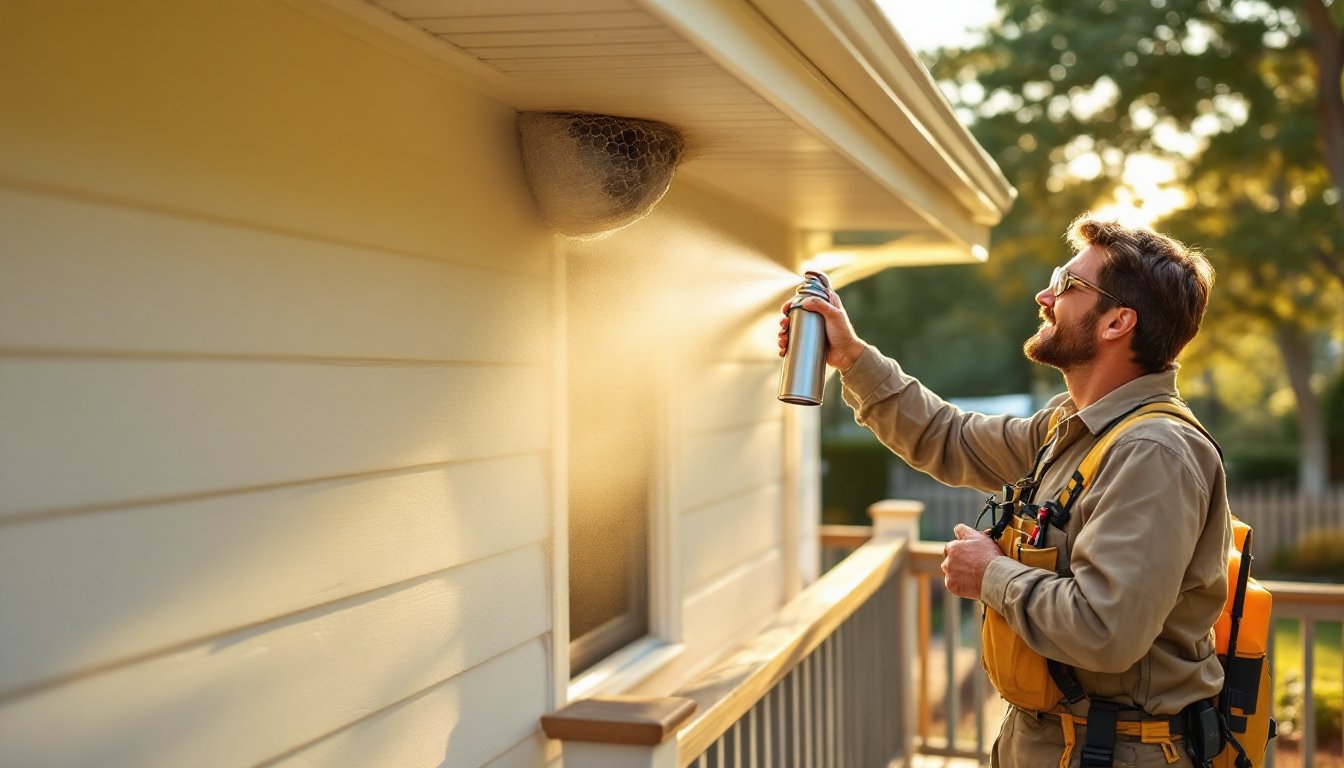
Timing and technique directly affect success and safety. Spray nests early in the morning (before 6 a.m.) or late in the evening (after dusk) when wasp and hornet activity is lowest and more insects are inside the nest. Temperatures below 60°F slow insect activity, which is another advantage of early or late application.
Stand at least 15 feet away from the nest, closer if the spray pattern is tight, farther if windy. Point the nozzle at the nest opening and spray in short bursts, aiming to saturate the exterior and entrance thoroughly. Don’t oversaturate: a few seconds of contact is usually enough. Allow the spray to settle for at least 24 hours before approaching the nest to confirm all activity has stopped. Dead insects and larvae should be visible, and there should be no new construction activity.
If the nest is still active after 24 hours, reapply according to the label. Most labels recommend a second application 2–3 days after the first if needed. After the nest is clearly dead, you can scrape it down and dispose of it in a sealed bag, though leaving it (if it’s not a hazard) can actually deter new colonies from rebuilding in the same spot.
Safety Precautions and Protective Gear
Even though this product is labeled for residential use, it’s still a pesticide. Wear long sleeves, long pants, and closed-toe shoes to minimize skin exposure. If you’re sensitive to sprays or have respiratory issues, wear a dust or N95 mask. Safety glasses or goggles are smart because windblown spray or insect movement can put things in your eyes. Nitrile gloves protect your hands when handling the can and cleaning up afterward.
Keep children and pets away from the treated area for at least 24 hours. Don’t spray on windy days when drift can carry the product onto gardens, ponds, or neighboring properties. Check your local regulations: some jurisdictions restrict pesticide application near water sources or require notification to neighbors. Read the label fully before applying, it contains critical information about re-entry times, surface safety, and specific warnings. Store the can in a cool, dry place away from heat sources, and keep it out of reach of children and pets. Never spray directly on plants you intend to eat (vegetables, berries) or on flowering plants when bees are active.
When and Where to Use This Product
Use Ortho Home Defense Hornet & Wasp Killer on visible, accessible nests around the exterior of your home or property. Ideal targets include nests under eaves, soffits, fence posts, light fixtures, deck railings, and porch structures. This product is designed for outdoor use, so don’t use it indoors or in enclosed spaces like garages or sheds (even if the door is open).
Timing matters beyond just the hour of day. Late summer and early fall bring the season’s most aggressive wasp activity, but nests are easiest to treat in early spring when they’re newly built and smaller, or in late fall when populations are declining. If you spot a nest in mid-summer when it’s fully established with a large population, you might consider waiting a few weeks or calling a professional if the nest is in a heavily trafficked area.
This product is best for small to medium nests (roughly basketball-sized or smaller). Large, well-established nests with thousands of insects may require multiple applications or professional service. If a nest is on your neighbor’s property, get permission before treating it. If a nest is inside a wall void or inaccessible without structural work, the product won’t reach it effectively, that’s a job for a licensed pest control operator who can inject dust or foam into wall cavities. According to Today’s Homeowner guides on seasonal home maintenance, treating wasp nests promptly prevents escalation into larger colonies that become harder to manage.
Comparing This Killer to Other Wasp Control Options
Ortho Home Defense Hornet & Wasp Killer sits in the middle ground between DIY convenience and professional service. Compared to alternatives, here’s what you’re weighing:
Spray vs. Aerosol Dust: Dust formulations (like those with pyrethrins) tend to persist longer on nest surfaces and in cavities, making them better for hard-to-reach spots. Aerosols like Ortho are faster-acting, safer to handle, and better for visible outdoor nests. Dust can irritate lungs if inhaled, so aerosols are generally easier and safer for homeowners.
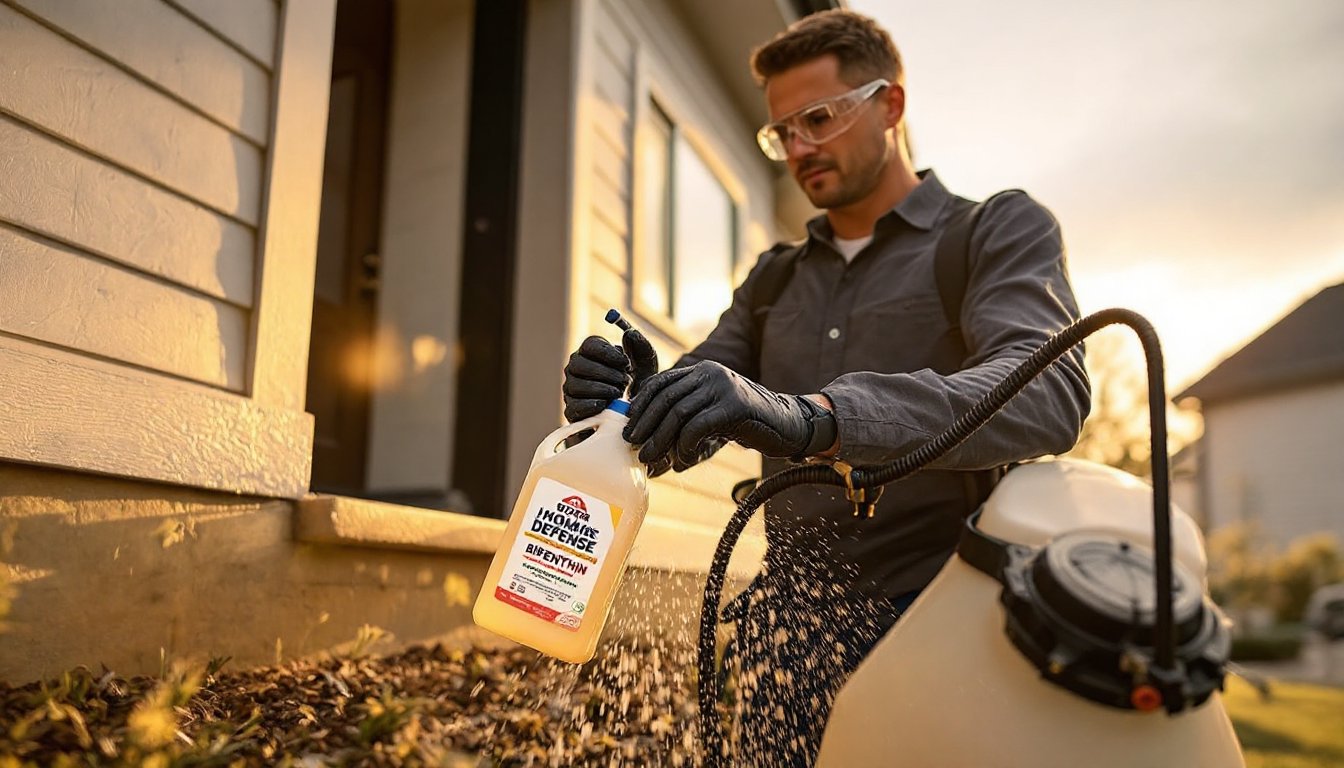
Liquid Concentrate vs. Ready-to-Use Aerosol: Liquid concentrates require mixing and equipment (a pump sprayer) but are cheaper per ounce and allow larger quantities. Ready-to-use aerosols cost more per ounce but require zero prep and are foolproof to apply. For a homeowner with one or two nests, aerosol is usually the smarter choice.
DIY Chemical vs. Professional Service: A licensed pest control technician has access to stronger formulations, can treat inaccessible nests, and carries liability insurance. They cost $150 to $400 per visit, depending on nest size and location. If the nest is in a dangerous spot, you’re uncomfortable with pesticides, or it’s a recurring problem, that investment is worthwhile. Good Housekeeping safety reviews often recommend professional service for nests near sleeping areas or play zones.
Traps and Bait Stations: These are slower, work best as prevention, and don’t eliminate existing nests. They’re a good complement to chemical treatment but shouldn’t be your only approach if a nest is already present.
Pressure Washing: If a nest is abandoned (no activity visible after 48 hours), pressure washing can sometimes dislodge it. But, this doesn’t kill remaining insects and can spread debris: chemical treatment first is safer and more complete. The Spruce recommends chemical elimination as the primary method for active nests.