Most homeowners don’t realize that pests are already scouting the perimeter of their homes, looking for entry points. If you’ve spotted unwanted insects around doorways, windows, or foundation cracks, Ortho Home Defense Concentrate offers a practical, budget-friendly solution that you can apply yourself without calling an exterminator. This concentrated formula is designed to create a protective barrier around your home’s exterior, targeting common household pests before they cross the threshold. Unlike expensive service contracts or one-time spray treatments, this DIY approach lets you stay proactive year-round and understand exactly what’s being applied to your property.
Table of Contents
ToggleKey Takeaways
- Ortho Home Defense Concentrate is a cost-effective DIY pest control solution that treats approximately 1,200 square feet for $8–$15, costing a fraction of professional pest control services.
- The product’s active ingredient, bifenthrin, disrupts the nervous system of common pests like ants, cockroaches, spiders, and earwigs on contact, creating a residual protective barrier for weeks.
- Proper application requires clearing debris, mixing according to label directions, and spraying clean surfaces during early morning or late afternoon for maximum effectiveness.
- Ortho Home Defense Concentrate works best when combined with preventive habits like sealing cracks, fixing screens, and removing standing water to eliminate pest entry points and breeding grounds.
- Plan for 2–4 seasonal applications annually to maintain consistent perimeter protection, as pest management is ongoing, especially in warm climates where insects thrive year-round.
What Is Ortho Home Defense Concentrate?
Ortho Home Defense Concentrate is an insecticide solution sold in concentrated form that homeowners dilute with water before spraying. Unlike ready-to-spray bottles, the concentrate approach saves money on packaging and lets you mix only what you need. It’s designed for outdoor perimeter application, creating a protective zone around foundations, entry points, and landscaping where pests typically gain access.
The product comes in a measuring bottle that makes dilution straightforward, typically mixing a specific amount of concentrate with water in a garden sprayer. One container treats approximately 1,200 square feet when mixed at label concentration, though coverage depends on your application method and surface area.
Key Active Ingredients and How They Work
Bifenthrin is the primary active ingredient, a synthetic pyrethroid insecticide that disrupts the nervous system of target pests on contact. It’s not a systemic poison (meaning it doesn’t require ingestion): instead, it kills insects that crawl across treated surfaces. Pyrethroids mimic natural compounds found in chrysanthemum flowers, making them effective yet familiar to home gardeners.
The formulation also includes water-based inert ingredients that help the spray adhere to exterior surfaces and dry into a lasting protective coating. This residual action means treated areas continue working for weeks, even after rain, as long as the barrier hasn’t been physically scraped or worn away. The concentration ratio matters: too dilute, and protection weakens: too concentrated, and you waste product and risk phytotoxicity (plant damage).
How to Use Ortho Home Defense Concentrate Effectively
Application success hinges on surface prep and proper technique. Start by clearing debris, dead leaves, and spider webs from the treatment zone, these block contact between the spray and crawling insects. If you’re treating around mulch beds or leaf litter, rake them back a few inches: pests hide in these spots, but you need direct surface contact for the spray to work.
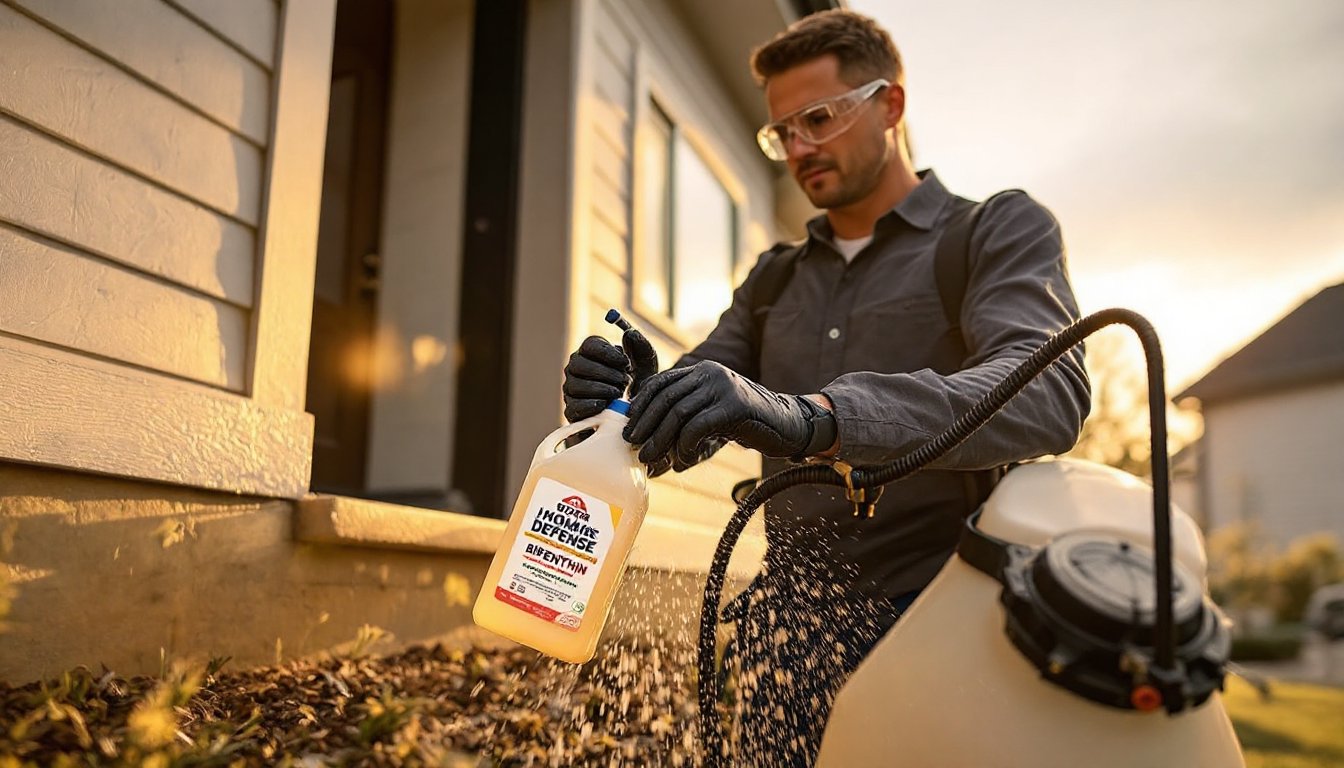
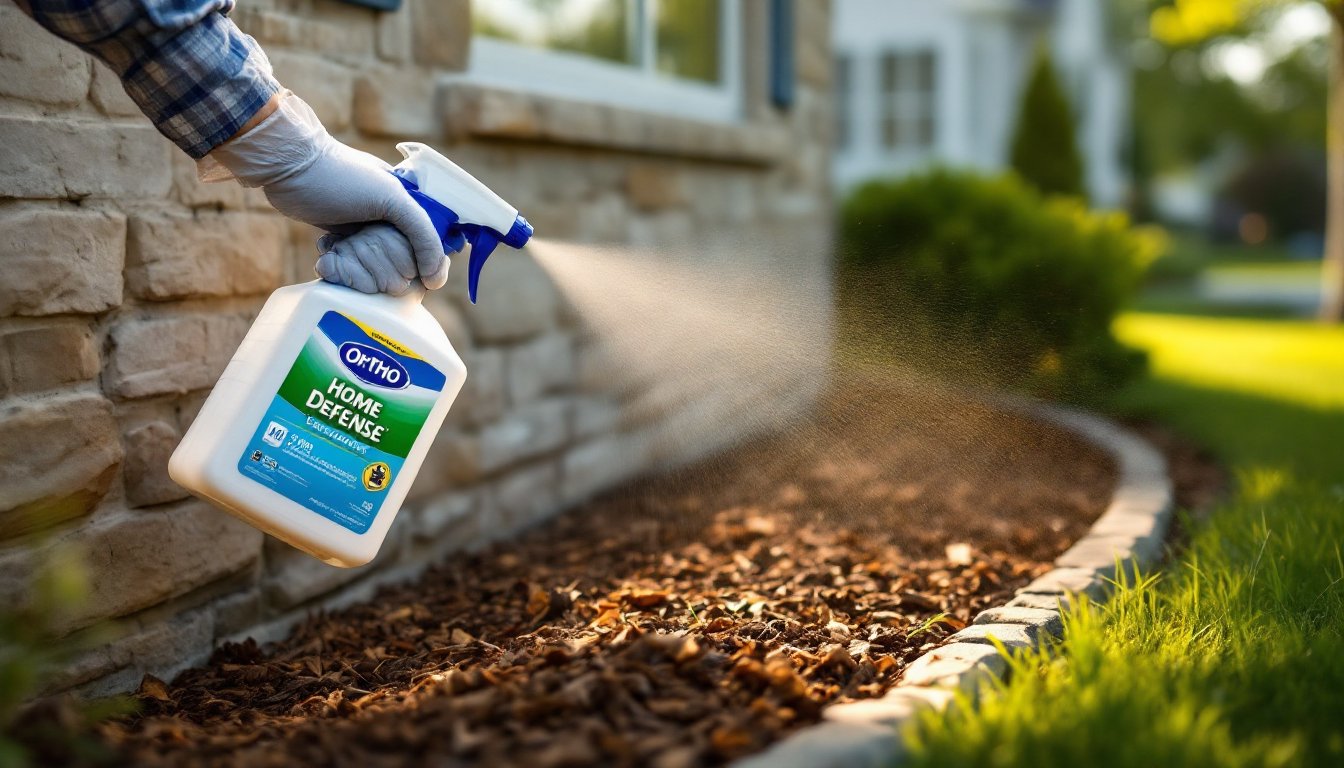
Mix the concentrate according to the label directions, typically a 1:1 or 1:2 ratio of concentrate to water, depending on the target pest. Use a calibrated garden sprayer (pump sprayer or hose-end sprayer) and spray until the surface is wet but not dripping. Focus on baseboards, door frames, window sills, foundation cracks, and landscape edging where pests enter. Don’t saturate the soil itself, you’re coating the structural boundary, not drenching the ground.
Best Practices for Application and Safety
Timing matters. Apply in early morning or late afternoon when beneficial insects (bees, ladybugs) are less active and when pests are most likely to be moving. Avoid spraying during rain or within 24 hours of forecast rain: allow the coating to dry fully before exposure.
Wear appropriate PPE. Safety glasses or a face shield protect your eyes from spray drift. Nitrile or rubber gloves prevent skin contact, bifenthrin isn’t highly toxic to humans, but it’s still an active chemical. A dust mask or respirator isn’t always necessary for this spray (it’s not a powder), but if you’re mixing concentrate indoors or in an enclosed space, use one to avoid inhalation of vapors.
Reapply every 3 months or after heavy rain, though some homeowners treat more frequently during peak pest season (spring and early summer). Check the label for specific reapplication intervals, they vary by product formulation. Store concentrate in a cool, dark place, away from food and children. An old storage shelf in the garage or a lockable shed works well.
Pests Ortho Home Defense Concentrate Targets
This product is effective against a broad spectrum of common household invaders: ants, cockroaches, spiders, silverfish, earwigs, centipedes, millipedes, crickets, and some species of wasps and hornets. If you’re battling fire ants or carpenter ants, this product works, though severe infestations may require multiple applications or a professional assessment.
Mosquitoes and flies are also listed on the label, but effectiveness depends on application to resting surfaces. Mosquitoes breed in standing water (gutters, bird baths), so eliminating breeding sources is equally important. The spray creates a barrier but won’t eliminate populations already established in your yard.
The product doesn’t work well against termites, which require structural inspection and often professional treatment. Similarly, wood-boring beetles and other wood-destroying insects may need targeted intervention beyond a perimeter spray. If you suspect these pests, have a professional evaluate before investing in DIY treatments. For most common exterior pests, the ones crawling around foundation edges and entry points, Ortho Home Defense is reliable and cost-effective. Many pest control experts consistently recommend this product among top-performing bug sprays for homeowner use, praising its ease of application and broad pest coverage.
Cost-Effective Pest Management for Homeowners
A single bottle of concentrate typically costs $8–$15 and treats approximately 1,200 square feet, translating to roughly $0.01–$0.02 per square foot. Compare that to a professional pest control service, which averages $150–$300 per quarterly treatment. Over a year, DIY applications cost a fraction of professional contracts, yet deliver comparable perimeter protection for common pests.
The real savings come from consistency. Because you own the product, you can treat more frequently during peak seasons (spring and early summer) without additional service calls. If you notice pest activity after a heavy rain, you spray the next day, no waiting for an appointment.
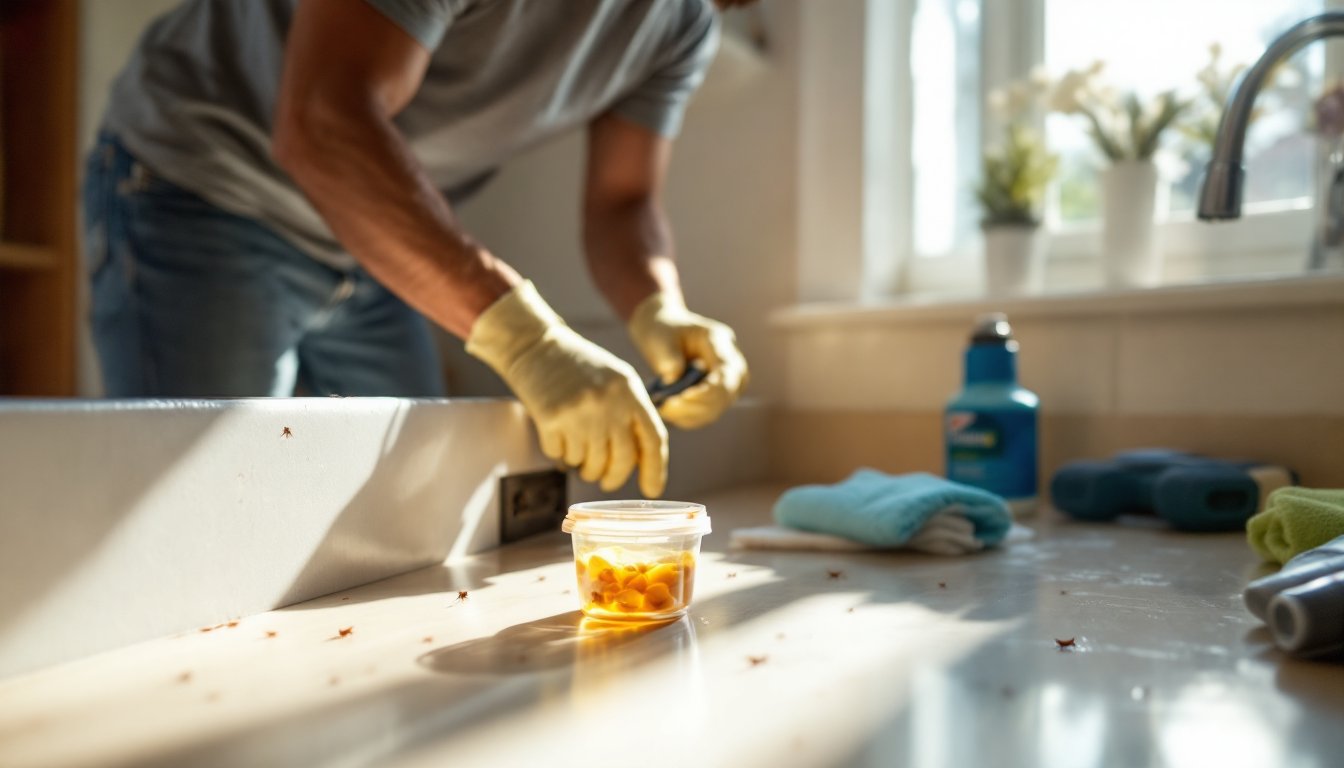
But, don’t mistake this for a one-and-done solution. Pest management is ongoing, especially in regions with warm, humid climates where insects thrive year-round. Budget for 2–4 applications annually, or roughly $16–$60 per year per product bottle (adjust based on your home’s perimeter). Pair this with basic preventive habits, sealing cracks, fixing damaged screens, removing standing water, and you’ll maximize effectiveness without overspending. Real homeowners also apply simple cleaning hacks and maintenance routines to remove food sources and harborage that attract pests indoors, reinforcing the outdoor chemical barrier.
Conclusion
Ortho Home Defense Concentrate is a practical, wallet-friendly tool for homeowners managing common exterior pests. Its broad-spectrum effectiveness, low cost, and simple application method make it ideal for DIY pest control. Mix it right, apply it to clean surfaces, respect safety protocols, and reapply seasonally, and you’ll build a protective barrier that works as hard as you do to keep pests out of your home.